How Rhode Used Sensory Marketing to Build a Billion-Dollar Brand
Hailey Bieber's Rhode sold for up to $1 billion with ten products and zero traditional ads. A breakdown of the sensory marketing strategy behind it, and what your brand can steal from it.
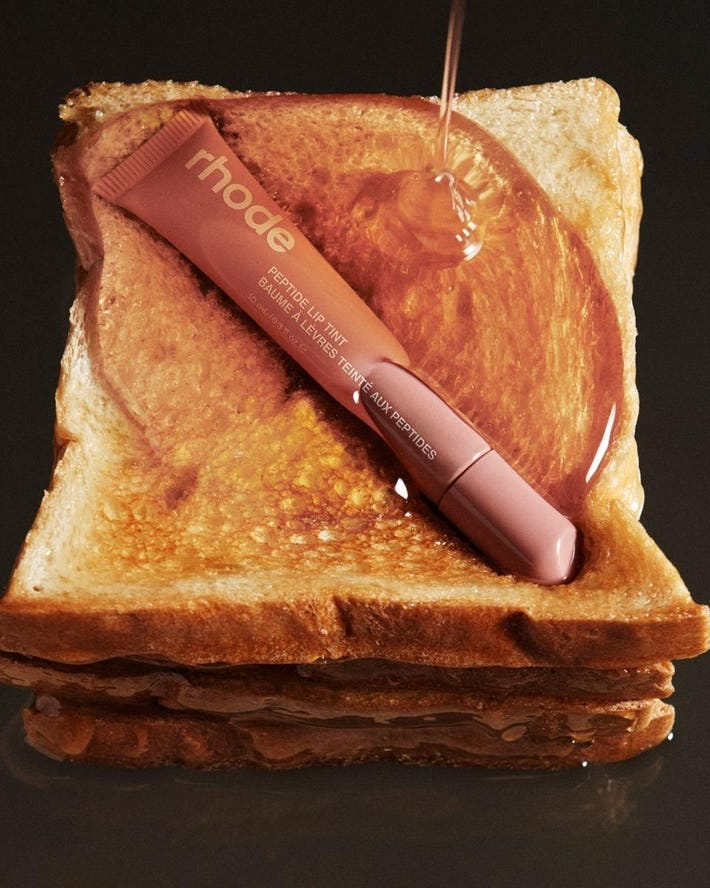
There's a reason your brain wants Rhode products even if you've never tried them. And once you understand it, you can't unsee it in any brand.
Rhode launched in 2022. Ten products. No retail stores. No traditional advertising. Just a very specific feeling. Three years later, e.l.f. Beauty agreed to buy it in a deal worth up to $1 billion, after Rhode pulled in around $212 million in net sales in a single year, direct-to-consumer only.
That's not luck, and it's not just the Hailey Bieber name. It's a masterclass in something most brands never think about on purpose: sensory marketing. Here's how it actually works, and what founders building beauty, wellness and lifestyle brands can take from it.
What is sensory marketing?
Sensory marketing is the practice of building a brand around how it makes people feel through their senses, whether sight, touch, taste, smell or sound, rather than around the product's features.
Most brands sell specs. Skincare brands, especially, love to sell ingredients: peptides, niacinamide, ceramides. Sensory marketing flips that. You're not selling what the product is. You're selling the experience of wanting it, reaching for it, and using it. Rhode is one of the cleanest examples of the strategy in the wild.
1. It codes skincare as dessert
Look at the product names. Glazing Milk. Strawberry Glaze. Peptide lip tints in flavors like espresso, toast and raspberry jelly. None of that is the language of a clinical skincare brand. It's the language of a bakery.
This is deliberate. By borrowing the vocabulary of food, Rhode taps into appetite, comfort and craving: feelings that have nothing to do with skincare and everything to do with desire. You're not evaluating a moisturizer's ingredient list anymore. You're craving a treat. That shift, from evaluating to craving, is the whole game.
2. It uses price anchoring to make the splurge feel small
Here's the quiet psychological move. A $30 lip product sounds like a lot on its own. But Rhode's entire sensory world frames it next to things you already buy without thinking: a latte, a pastry, a little daily treat.
That's price anchoring. Your brain judges a price by comparing it to whatever's nearby. Position a lip tint beside a $6 coffee and suddenly it reads as a small, deserved reward rather than an indulgence. Rhode didn't lower its prices. It lowered the mental cost of buying by making skincare feel like something you treat yourself to, not something you budget for.
3. It makes the product physically irresistible
Sensory marketing isn't only visual. Rhode's packaging is matte, soft and tactile, designed to feel good in your hand before you've even used it. Its most viral move was a phone case that doubles as a lip-tint holder, turning the product into an accessory you carry, show off and touch all day.
That's the sense of touch doing marketing work. When a product is pleasurable to hold and fun to display, it stops being a purchase and becomes part of someone's identity and daily ritual. People don't post photos of their moisturizer's ingredient list. They post the thing that feels like them.
4. It activates every sense at once
Step into a Rhode pop-up and the brand isn't on a shelf. It's in the air. Pastel sets that photograph like a moodboard. Scent. Things to taste. Soft textures and warm lighting. Campaigns that look more like a Pinterest board than an ad.
When sight, touch, smell and taste all point at the same feeling, the brand lodges somewhere deeper than memory of a product. It becomes a vibe people want to live inside. That's far stickier than any feature list, and it's almost impossible for a competitor to copy, because they'd have to copy the entire world, not just the formula.
5. The founder is the brand
The last piece is the most important, and the hardest to replicate. Hailey Bieber isn't just the face of Rhode. She's the product. The slicked bun, the oversized jacket, the "glazed donut skin" she made go viral. The brand sells her aesthetic and her life. For the price of a lip tint, you get to feel like a small piece of that is yours.
This is why personal brand and product brand can't be separated here. The strategy works because there's a real, consistent point of view behind it, a person who knows exactly what she stands for. A logo doesn't make a brand. Conviction does.
What your brand can steal from Rhode
You don't have Hailey Bieber's audience, and you don't need it. The principles scale all the way down to a single studio, salon or product line:
Sell the feeling, not the feature. Stop leading with what your product or service is. Lead with the version of themselves your customer gets to be. The transformation, not the treatment menu.
Build a complete sensory world. Your packaging, your space, your photography, your scent and your voice should all point at one feeling. Consistency across the senses is what makes a small brand feel considered and expensive.
Anchor your price intentionally. What you compare yourself to changes how expensive you seem. Decide that comparison on purpose instead of leaving it to chance.
Put a real point of view behind it. Sensory marketing only works when there's conviction underneath. A pretty aesthetic with nothing behind it is just decoration.
That's the thread through all of it. People don't really buy products anymore. They buy a feeling, an aesthetic, and the version of themselves they want to be. The brands that win are the ones building that on purpose, strategy first, so the visual world has something true to stand on.
If you're building a beauty, wellness or lifestyle brand and you want it to feel like that, intentional, ownable, and impossible to confuse with anyone else, that's exactly the work I do. See how the studio works, or start a project.
FAQs
What is sensory marketing in simple terms?
It's building a brand around how it makes people feel through their senses, whether sight, sound, touch, taste or smell, instead of around the product's features. The goal is to create desire and emotional connection, not just communicate information.
What is an example of sensory marketing?
Rhode is a textbook example: dessert-inspired product names, tactile packaging, a lip-tint phone case, and pop-ups that engage every sense. Other classics include the smell of fresh bread near a store entrance, a brand's signature scent, or the specific snap of a premium package opening.
Why was Rhode so successful?
A combination of a strong founder point of view (Hailey Bieber), a tight product range, direct-to-consumer focus, and disciplined sensory branding that made the products feel craveable rather than clinical. That earned it roughly $212 million in net sales and an acquisition deal worth up to $1 billion within three years.
Can a small business use sensory marketing?
Absolutely, and it's often where small brands win. You don't need a celebrity or a big budget to control how your brand looks, feels and sounds across every touchpoint. Consistency and a clear point of view do most of the work.
Let’s talk about yours.
I offer 1:1 brand strategy sessions for founders and businesses ready to build with intention.
Book a session