Why Blush Is Booming — and What It Teaches Every Brand About Marketing
Blush sales are surging and the marketing behind it is a masterclass. Here's what the blush boom teaches beauty brands about selling in 2026.
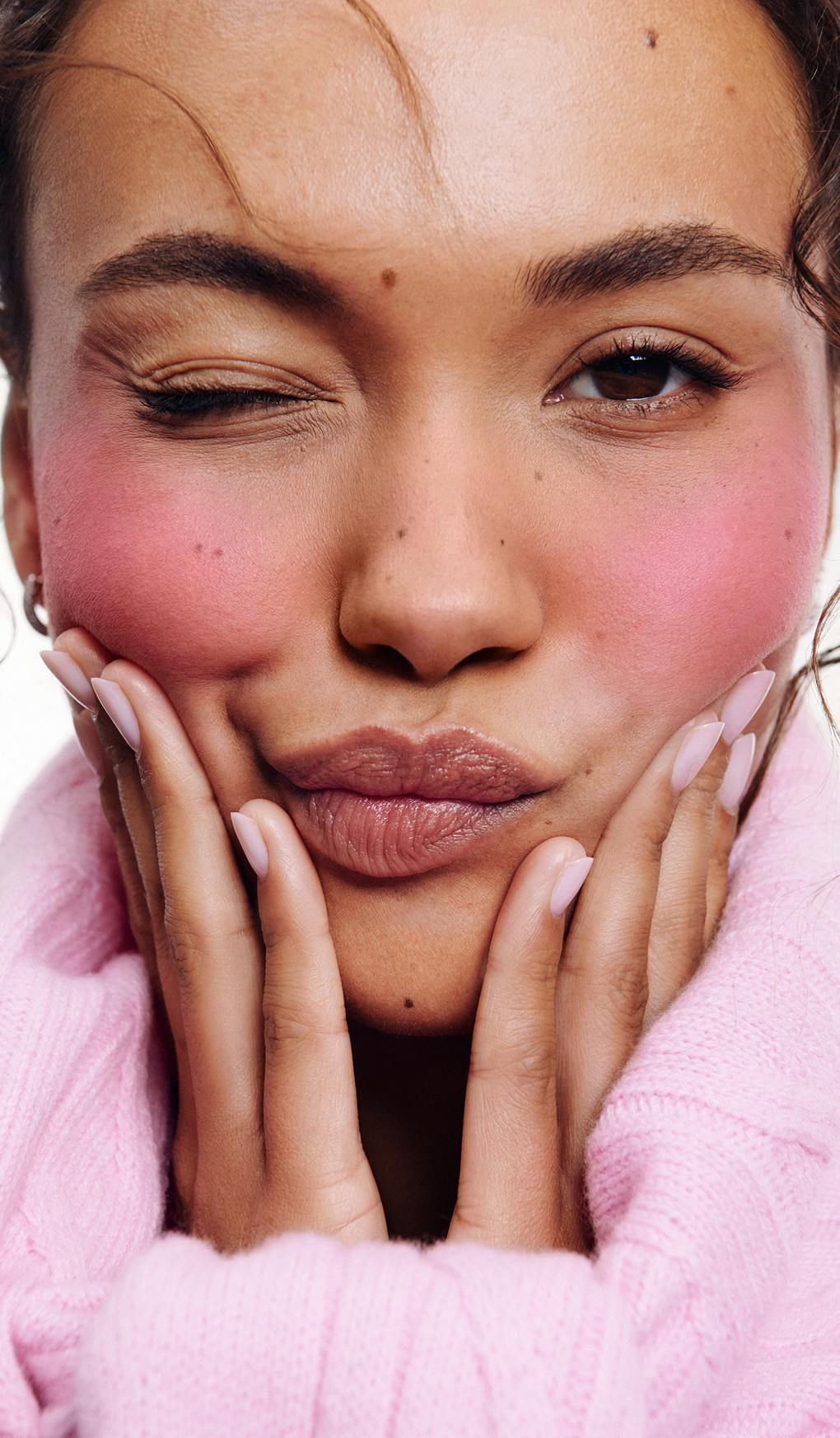
A few years ago, blush was the product people forgot at the bottom of their makeup bag. Today it's the main character — and the sales numbers prove it. If you run a brand, the more interesting question isn't what blush is doing. It's how it got here. Because the blush boom is one of the cleanest marketing case studies in beauty right now, and the lessons apply far beyond cosmetics.
Here's what happened, and what your business can borrow from it.
Blush is quietly doing serious numbers
Let's start with the receipts. In the U.S. prestige market, blush sales reached roughly $462 million in a single year — a jump of about 36% over the prior year. On Amazon alone, blush has grown into a $59 million category. Zoom out globally and the blush market is valued at around $1.21 billion in 2025.
This isn't a niche trend or a fluke spike. It's a category that quietly turned into a powerhouse while the industry's attention was elsewhere — and that happened because of how it was positioned, not just what was in the compact.
The positioning was genius: blush as the "easy yes"
The smartest thing brands did was reframe what blush is for.
Foundation can be the wrong shade. A bold lip is a commitment. But blush? One swipe and you look like you slept eight hours and drank your water. Brands leaned hard into that promise — blush as the lowest-effort, lowest-risk way to look instantly healthier and more "alive."
That positioning does two things at once: it removes friction for the buyer (low risk means an easy impulse purchase), and it expands the use case (blush stops being "extra" and becomes essential to the everyday look).
The brand takeaway: when you can frame your product as the easiest yes in its category — the one that requires the least thought, effort, or commitment — you unlock impulse buying and repeat purchases. Reduce the perceived risk, and you reduce the gap between interest and checkout.
Format innovation met people where they already were
The blush surge wasn't just about color — it was about convenience. Liquid blush sales alone grew about 36% year over year, led by names like Rare Beauty and Hourglass. Cream balms and sticks from Rhode and Merit added portable, finger-blendable formats you can apply without a mirror or a brush.
Brands didn't ask customers to change their behavior. They built products that fit the way people already live — quick, on the go, no tools required.
The brand takeaway: innovation doesn't have to mean reinventing the product. Often the bigger win is reformatting it to fit your customer's real-life routine. Remove a step, remove a tool, remove an excuse not to buy.
Social media did the heavy lifting (because the product was built for it)
You can't talk about blush without talking about TikTok. The "sunburnt" look, under-eye placement, "cold girl" cheeks, and the #BlushTok and "blush blindness" trends gave the category endless free, user-generated momentum. Rare Beauty's Soft Pinch Liquid Blush became such a viral bestseller that it routinely sells out.
But here's the part brands miss: the product was designed to be shareable. A visible before-and-after, an instant payoff, a satisfying application — those are the ingredients of content people actually want to make. The virality wasn't luck. It was built in.
The brand takeaway: don't bolt social media on at the end. Build a visible, satisfying, "watch this" moment into the product and the experience itself, so your customers become your marketing team.
It tapped into how people actually feel
The timing matters too. As Circana's global beauty industry advisor Larissa Jensen put it, consumers are buying beauty "to not only look, but also feel good." Blush sits perfectly in that emotional space — it's affordable joy, a small daily lift. Add the industry-wide "skinification" trend (color products that double as skincare, with over 70% of new blush launches in 2024 marketed as clean, vegan, or cruelty-free), and blush became a feel-good, do-good purchase at once.
The brand takeaway: the strongest products connect to an emotional need, not just a functional one. People remember how a brand makes them feel — and they buy it again because of it.
What the blush boom means for your brand
Strip away the cosmetics and the blush boom is a repeatable marketing playbook: reposition around the easy yes (lower the risk, raise the impulse); fit the format to real life (convenience sells as hard as quality); build shareability into the product (design the viral moment on purpose); and lead with feeling (connect to the emotion, not just the function).
These principles work whether you sell beauty, beverages, software, or a service. The brands winning right now aren't always the ones with the best product on paper — they're the ones who understand exactly why people buy.
Want marketing that makes your brand the easy yes? That's exactly what we help brands and businesses do — turn smart positioning into real sales. Explore the work and get in touch. Let's make your brand the next case study people write about.
Let’s talk about yours.
I offer 1:1 brand strategy sessions for founders and businesses ready to build with intention.
Book a session